Personal development & performance
From Soft Skills to Power Skills: The Human Side of High Performance
By Kate Wilson · @SHEISBOSSINGIT
Why it's time to rethink the human skills that underpin performance, leadership and personal growth.
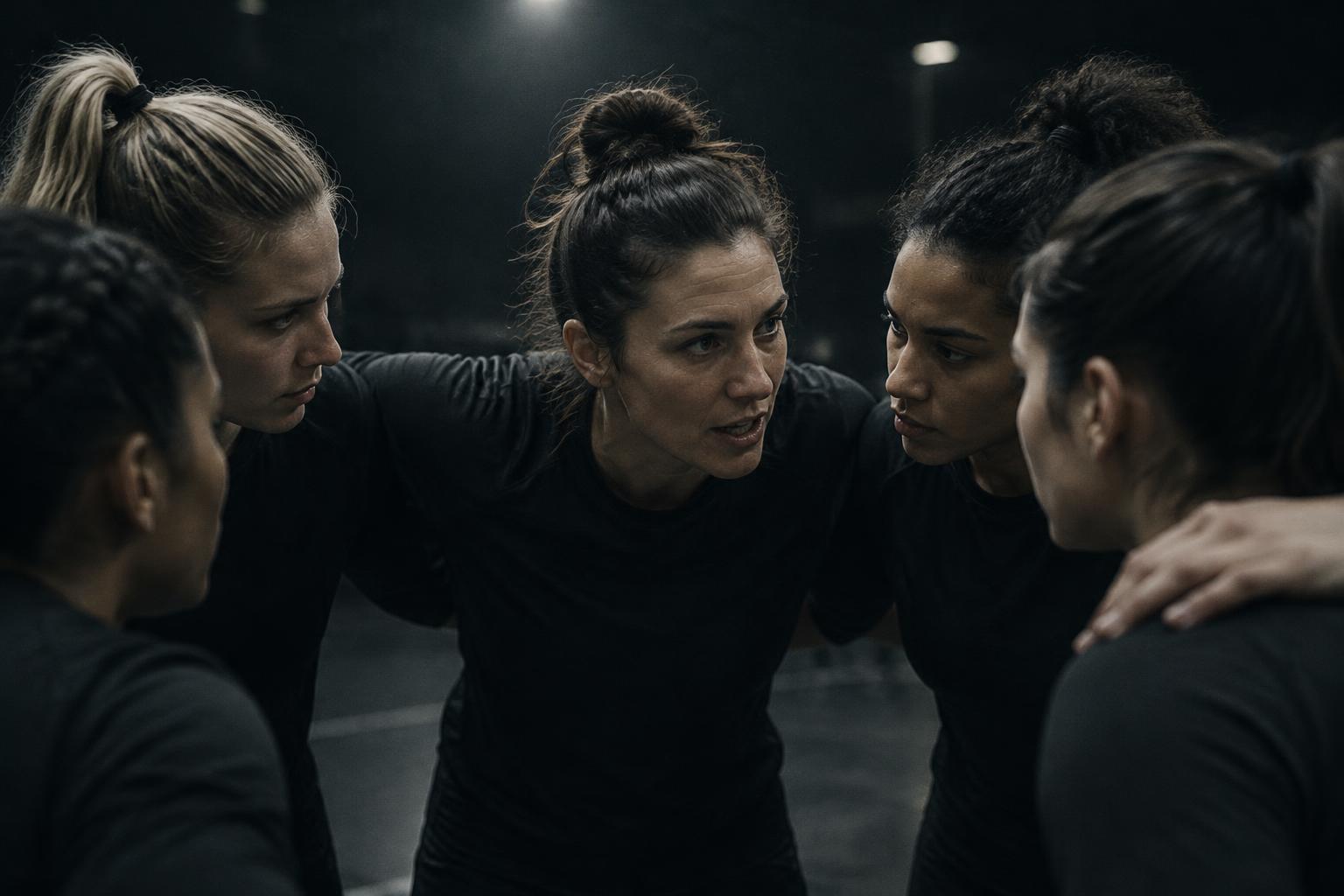
We've spent decades calling some of the hardest skills to master 'soft'. Perhaps it's time we questioned why.
Think about it. Remaining calm under pressure, managing emotions, making difficult decisions, communicating effectively and adapting when things don't go to plan. None of these are particularly easy, yet we've grouped them under a term that somehow suggests they're less important than technical expertise.
I've never been particularly comfortable with that distinction.
One of my key takeaways from Laura Huang's book, Edge: Turning Adversity into Advantage, was the importance of recognising and developing the qualities that set us apart. It reinforced something I've believed for a long time: these aren't simply 'soft skills'.
I prefer to call them POWER SKILLS.
And there's an interesting history behind why I think we need to change the language.
An interesting military connection
The term 'soft skills' has its roots in the US military, where it gained recognition during the late 1960s and early 1970s.
At the time, the US Army was examining how to distinguish between technical, job-specific abilities and the broader capabilities required to lead, communicate, train and work effectively with others.
Technical or 'hard' skills were generally easier to define and measure. Skills involving leadership, judgement, motivation and interpersonal relationships were more difficult to quantify.
But here's what I find particularly interesting.
At the 1972 US Army Soft Skills Training Conference at Fort Bliss, Texas, participants actually recommended moving away from the distinction between hard and soft skills.
More than 50 years later, we're still having the same conversation.
The military recognised that effective performance required far more than technical competence. The ability to lead people, make decisions, communicate and respond to changing circumstances was fundamental.
Having spent much of my career in policing and security, I can certainly relate to that.
Training, procedures and technical knowledge are essential. But when you're dealing with challenging situations, particularly under pressure, it's often your ability to assess what's happening, understand people, communicate and make sound decisions that determines the outcome.
The same principle applies well beyond policing or the military.
Why these skills matter more than ever
Emotional intelligence. Adaptability. Communication. Empathy. Resilience. Self-awareness. Decision-making.
These capabilities influence almost every aspect of our lives, from how we build relationships and work with others to how we respond to setbacks, navigate change and achieve our goals.
Yet the label 'soft' can unintentionally suggest something secondary, less demanding or less valuable than technical expertise.
I don't believe that reflects their true importance.
We live in an increasingly technology-driven world where technical knowledge is evolving rapidly and certain tasks can now be automated or replicated.
Technical expertise will always have its place, but knowing what to do isn't necessarily the same as knowing how to apply it effectively.
Two people can possess similar qualifications, experience and technical abilities yet achieve very different outcomes.
Often, the difference lies in how they communicate, adapt, collaborate and respond when things become difficult.
And as technology continues to develop, I believe these distinctly human skills will become even more valuable.
This is something we've already seen reflected in research from major technology companies, including Google, whose Project Oxygen identified communication, coaching, empowering others and supporting employee development among the key characteristics of effective managers.
As artificial intelligence continues to reshape the workplace, our ability to connect, collaborate, think critically and adapt may become an even greater differentiator.
Perhaps the real competitive advantage isn't simply what we know, but how effectively we use what we know.
What sport and leadership have in common
One of the things I've always found fascinating is how much we can learn by looking at performance across different environments.
Whether it's policing, business, leadership or sport, many of the underlying challenges are remarkably similar.
Take an athlete who makes a mistake during an important match.
Their technical ability hasn't suddenly disappeared. They still possess the same skills they had moments earlier. But how they respond to that mistake can influence what happens next.
Do they become frustrated, lose confidence or allow their reaction to affect those around them? Or can they acknowledge the error, reset and focus on the next opportunity?
Now consider a leader dealing with an unexpected problem.
Their response can influence the confidence, motivation and behaviour of an entire team. A calm, considered approach can create the conditions for people to think clearly and work towards a solution. A negative reaction can have the opposite effect.
Different environments, but the same underlying capabilities.
This is why I believe optimising performance requires us to look beyond physical preparation, technical competence and measurable outcomes.
Our ability to perform is also shaped by how we think, respond, adapt and interact with others.
Developing the whole person is just as important as developing the specific skills required for a particular role or activity.
Power skills aren't something you're simply born with
We often describe people as 'natural leaders', 'confident communicators' or someone who is simply 'good under pressure'.
And while personality and individual characteristics certainly play a part, I think we sometimes overlook how much these capabilities can be developed.
Just as we train our bodies to become stronger, faster or more technically proficient, we can train ourselves to become more self-aware, adaptable and effective in how we respond to different situations.
But it requires intentional effort.
We need opportunities to practise, receive feedback, reflect on our behaviour and learn from experience.
And perhaps most importantly, we need to recognise that getting things wrong is part of that process.
Think about the last time something didn't go to plan.
Did you take a moment to reflect on your response? Did you consider how your behaviour might have influenced others? What would you do differently next time?
These might seem like small questions, but they are valuable opportunities for development.
I often talk about the importance of learning through experience, particularly when things don't work out as we'd hoped.
It's easy to reflect when everything is going well. The real learning often comes when we're challenged, uncomfortable or faced with something unexpected.
And that's where we have an opportunity to strengthen these skills.
Are we investing enough in our human capabilities?
We spend considerable time and resources developing technical knowledge, professional qualifications and physical performance.
And rightly so.
But how much attention do we give to developing the capabilities that enable us to apply those skills effectively?
We wouldn't expect an athlete to improve their strength or speed without training. So why do we sometimes assume that communication, emotional regulation, resilience or leadership will simply develop on their own?
These skills deserve the same commitment to learning, practice and improvement.
They aren't exclusive to senior leaders, elite athletes or people working in high-pressure professions.
They're relevant to all of us.
Whether you're starting your career, managing a team, participating in sport, raising a family or simply trying to become a better version of yourself, these capabilities influence how you navigate the world around you.
And importantly, they are transferable. What we learn in one environment can often help us perform more effectively in another.
That's what makes them so powerful.
A final thought
We often focus on improving what we do, but perhaps we should spend more time developing how we think, respond, communicate and behave.
Because performance isn't simply about having the right knowledge, qualifications or technical abilities. It's about being able to use them effectively, particularly when circumstances challenge us.
I don't think we need to choose between hard skills and soft skills. Both are important, and they work together.
But I do think we need to reconsider the language we use and the value we place on our human capabilities.
So, the next time you hear someone refer to 'soft skills', perhaps challenge the terminology.
And more importantly, ask yourself how much time you're investing in developing your own.
There's nothing soft about the skills that help us perform under pressure, lead effectively, adapt to change and realise our potential.
They're POWER SKILLS.
And I think it's time we started treating them that way.